
The Chimney Cap
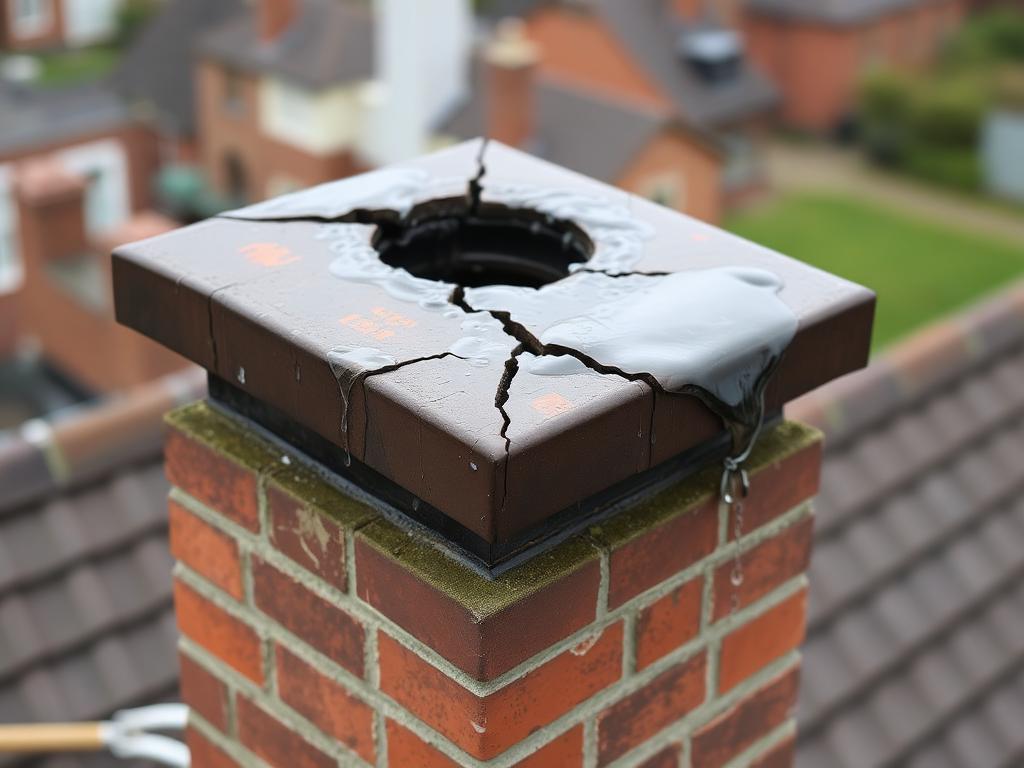
An open, rusted or undersized cap lets rain fall straight down the flue. It is the simplest entry point to rule out — and the most common one.
Hot seasonal deals — limited spots
Claim SpotFind the source. Stop the water. Protect the masonry.
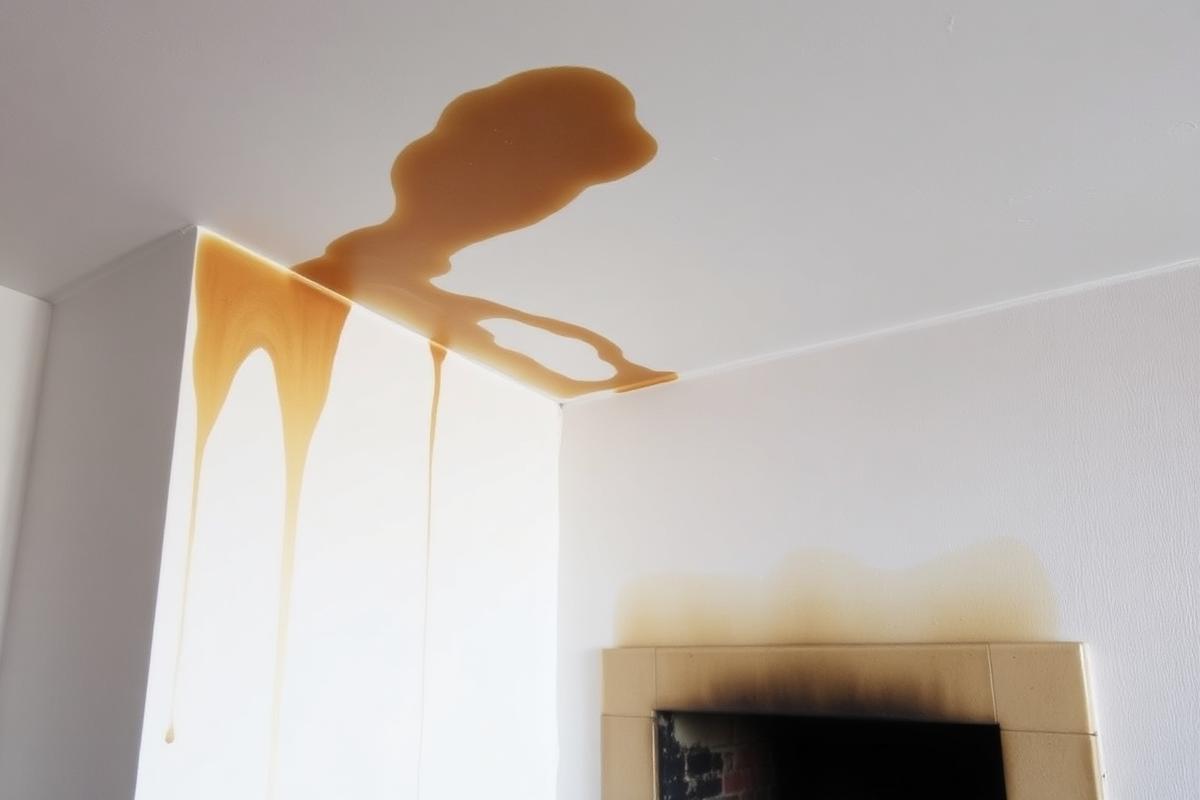
A stain on the ceiling or dampness in the firebox usually means water is entering through the cap, crown, flashing or masonry. Chimney Operations inspects the whole chimney system, identifies exactly where the water is getting in, and repairs and waterproofs the component that is actually failing — for homeowners across San Antonio and surrounding Texas communities.
Most chimney leaks in San Antonio come from failed flashing at the roofline, a cracked crown, a rusted chase cover, a missing cap or open mortar joints. Chimney Operations traces the entry point before repairing, then seals or rebuilds only the component that is letting water in. Call 210-401-3967 for a leak evaluation.
Leak repair pricing depends on where the water is entering. A flashing reseal costs far less than crown, chase cover or masonry rebuilding.
$200 – $1,200+
Most chimney leak repair jobs in the San Antonio area
Every chimney is different. Chimney Operations confirms an exact, no-obligation price for your home before any work begins — call 210-401-3967 to schedule.
The joint between chimney and roof is the number one leak point, especially after hail or wind storms.
Water pools on a cracked crown and soaks down into the chimney and attic framing.
Unsealed masonry absorbs heavy rain like a sponge and shows up later as stains or efflorescence.
Chimney leaks rarely stay small. Water rots framing, stains ceilings, rusts dampers and breaks down mortar. Fixing the real source — not just caulking — stops the damage from spreading.
Real photos from Chimney Operations jobs in the San Antonio area.
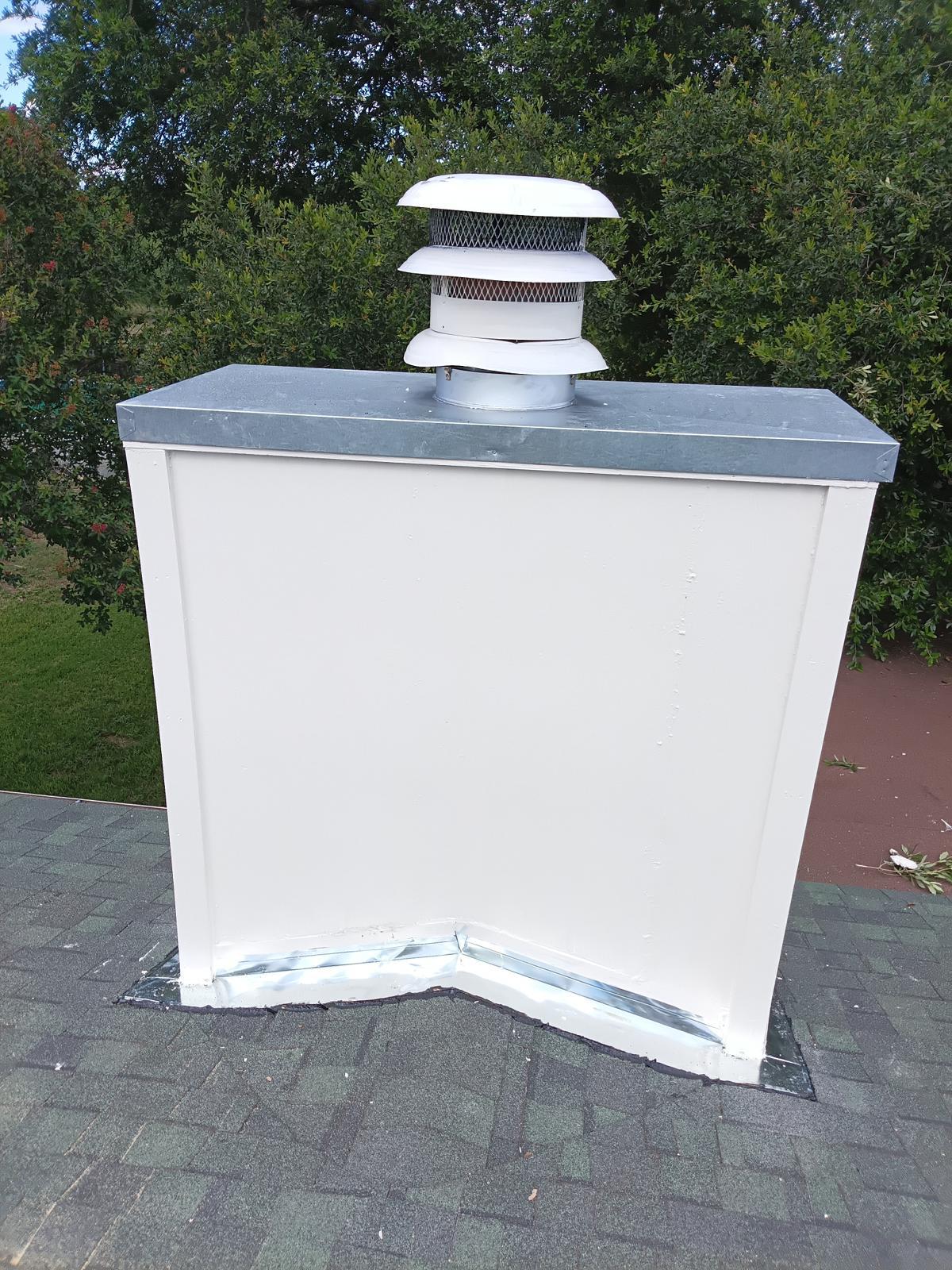
Serving San Antonio and surrounding Texas communities.
We diagnose water intrusion instead of guessing at it.
Cap, crown, flashing, chase cover and masonry all checked.
You hear what needs attention now and what can wait.
Repairs built to hold up to Texas rain and heat cycles.
Water almost never enters at the spot where the stain appears. It can come in at the crown, run down inside the masonry, cross the flashing and finally show up on a ceiling several feet from the fireplace.
That is why sealing whatever looks wet rarely works. The chimney has to be looked at as one system — cap, crown, chase cover, flashing, brick and mortar — so the repair lands on the component that is actually letting water in.
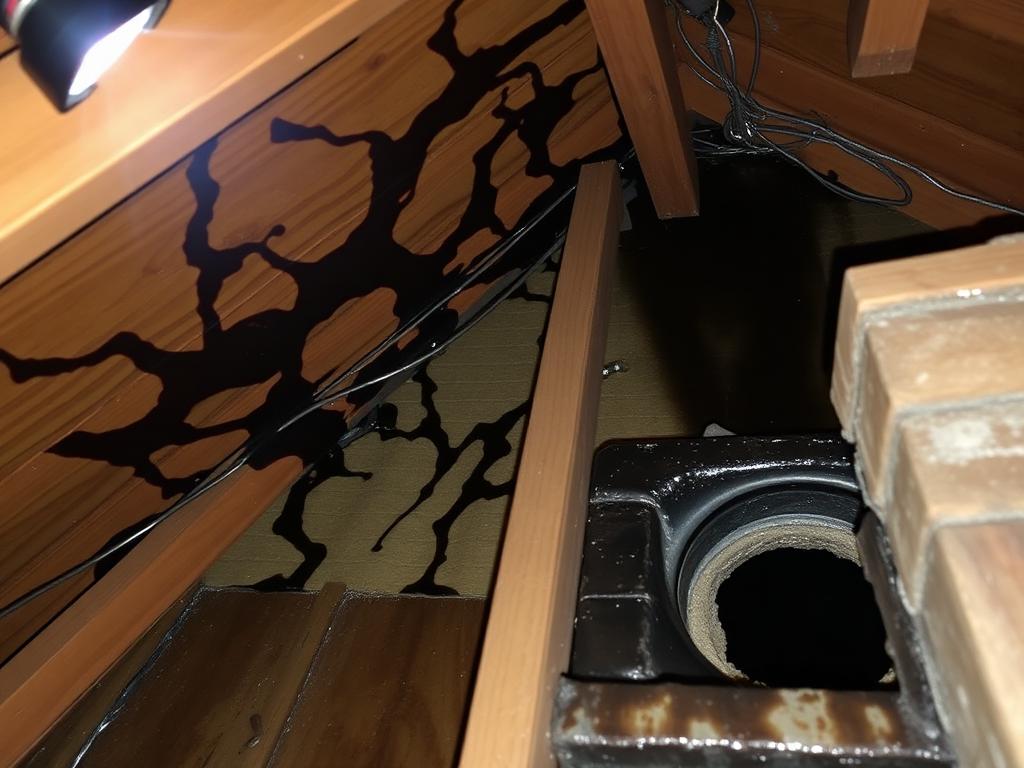
If one or more of these sounds familiar, water is likely already inside the chimney system.
Brown rings or damp patches on the ceiling or wall next to the chimney, often worse after heavy rain.
Dripping, puddling or damp ash in the firebox usually means water is traveling down the flue.
A damp, campfire-like smell that gets stronger in humid weather is a classic sign of moisture in the chimney.
Sandy joints and mortar you can scrape out by hand mean the masonry is already absorbing water.
Metal components inside a chimney should stay dry. Rust or staining points to ongoing water contact.
Wall finishes near the chimney lifting or blistering as trapped moisture pushes out through the surface.
The concrete top of the chimney is split or worn down, so it no longer sheds rain away from the flue.
Leaking that appears with wind-driven rain and then dries up often points to flashing or an open cap.
Chimney water damage is progressive. What it can lead to, depending on the condition of your chimney:
Water inside brick and mortar can freeze, expand and pop the brick faces off — spalling that only gets wider with each wet season.
Once water passes the flashing, it can reach roof decking, framing, insulation and drywall, turning a chimney issue into an interior repair.
Moisture combined with creosote can be corrosive, and over time may damage liners, smoke chambers and mortar joints inside the flue.
A crown seal or flashing repair caught early is typically far less involved than the partial rebuild the same leak may require later.
A chimney is designed to shed water at several points. When one of them fails, rain takes the easiest path — inward.
An open, rusted or undersized cap lets rain fall straight down the flue. It is the simplest entry point to rule out — and the most common one.
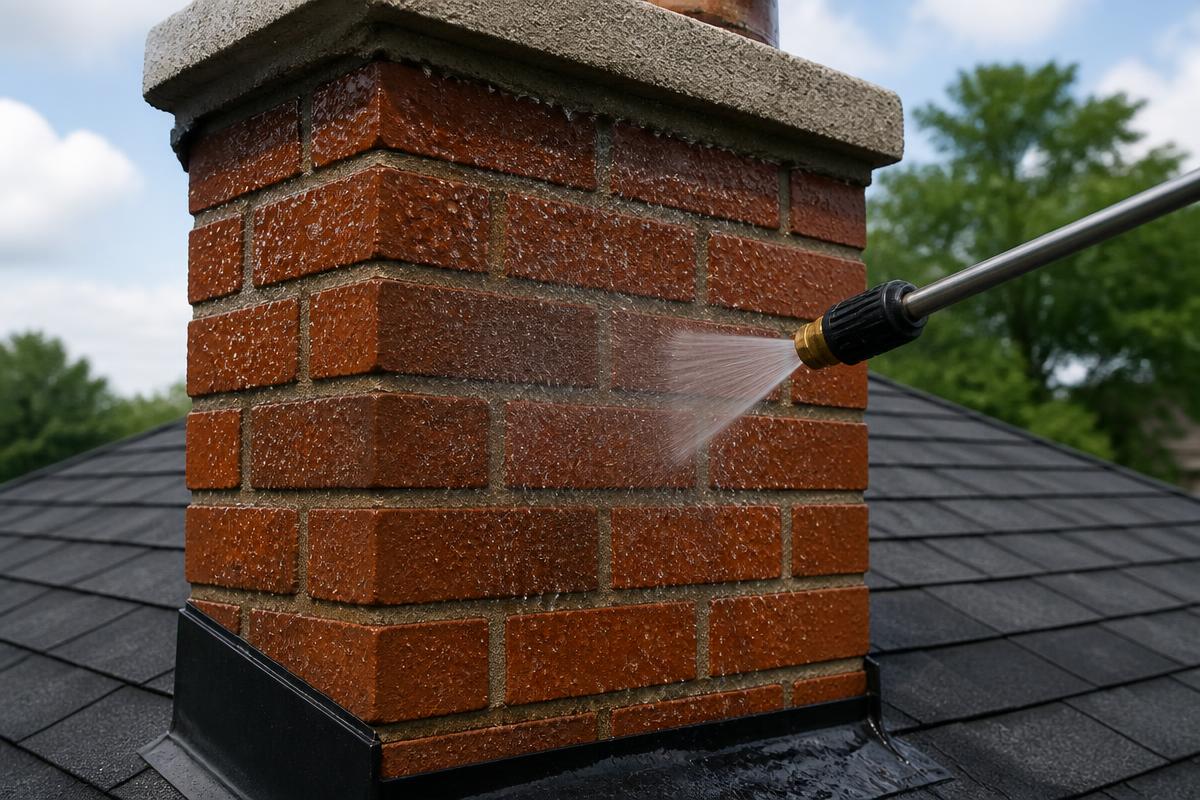
The crown is the concrete slab on top. Hairline cracks and porous, unsealed brick both let water soak into the stack instead of running off it.
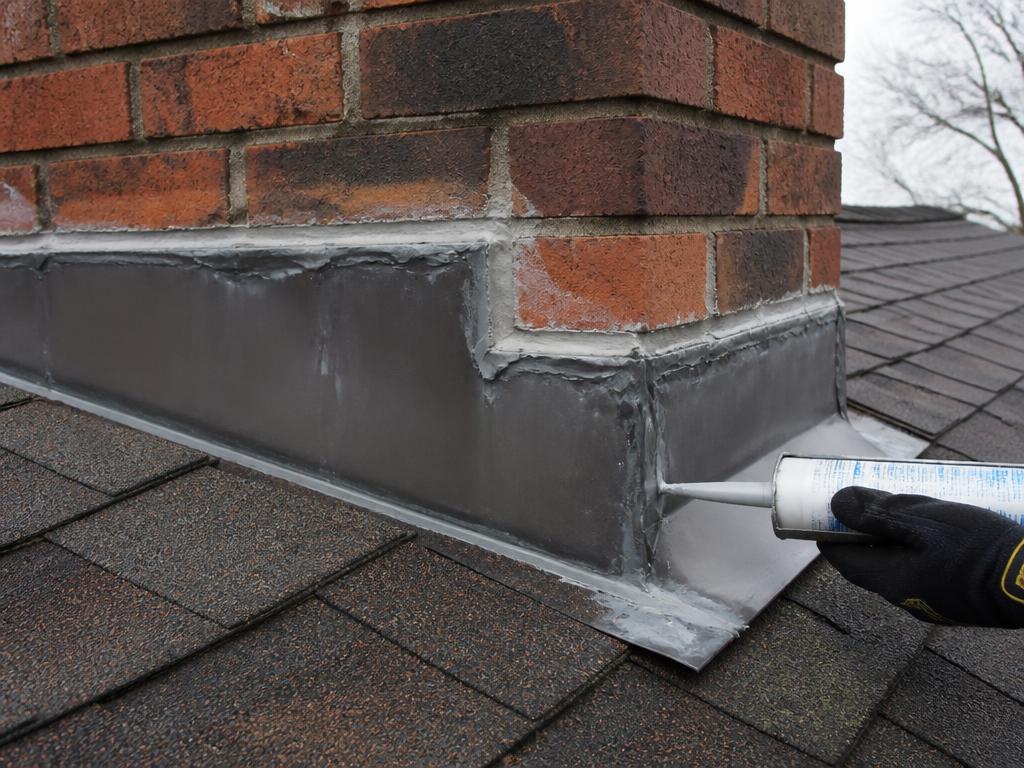
Where the chimney meets the roof, flashing and counter-flashing seal the joint. Lifted, rusted or caulk-only flashing is a leading source of interior leaks.
San Antonio weather makes all three worse: long dry heat opens hairline cracks in crowns and mortar, then heavy rain drives water straight into them.
Different chimneys need different solutions. The evaluation decides the repair — not the other way around.
Problem
You see a stain, smell dampness, or find moisture in the firebox after rain.
Evaluation
Cap, crown, flashing, chase cover and masonry are each checked to isolate the real source.
Recommendation
Some leaks need a crown seal. Others need flashing or masonry work. You get the honest version.
Completed
The failing component is repaired or replaced, and the chimney is left able to shed water again.
Every component that keeps water out of a chimney — evaluated, repaired or replaced.
We trace where the water is actually entering before any repair is recommended — the source is often not where the stain is.
Properly formed flashing and counter-flashing at the roof line, sealed so water sheds instead of running behind it.
Cracked crowns repaired, resurfaced or rebuilt with the overhang and slope needed to move water away from the flue.
Caps sized to your flue to keep rain, debris and animals out of the chimney while allowing proper draft.
Custom covers with correct slope and drip edge, so water runs off the chase instead of ponding and rusting through.
Vapor-permeable water repellent applied to sound masonry, so brick sheds water while still allowing the chimney to breathe.
Failed mortar cut out and repointed, closing the open joints that let moisture travel into the structure.
Replacement of brick damaged by long-term water exposure, keeping the appearance consistent with the existing stack.
An evaluation of the firebox, damper and smoke chamber to see how far the moisture has already traveled.
Real chimney caps, chase covers, flashing and masonry work completed by Chimney Operations across San Antonio, Texas and surrounding areas.
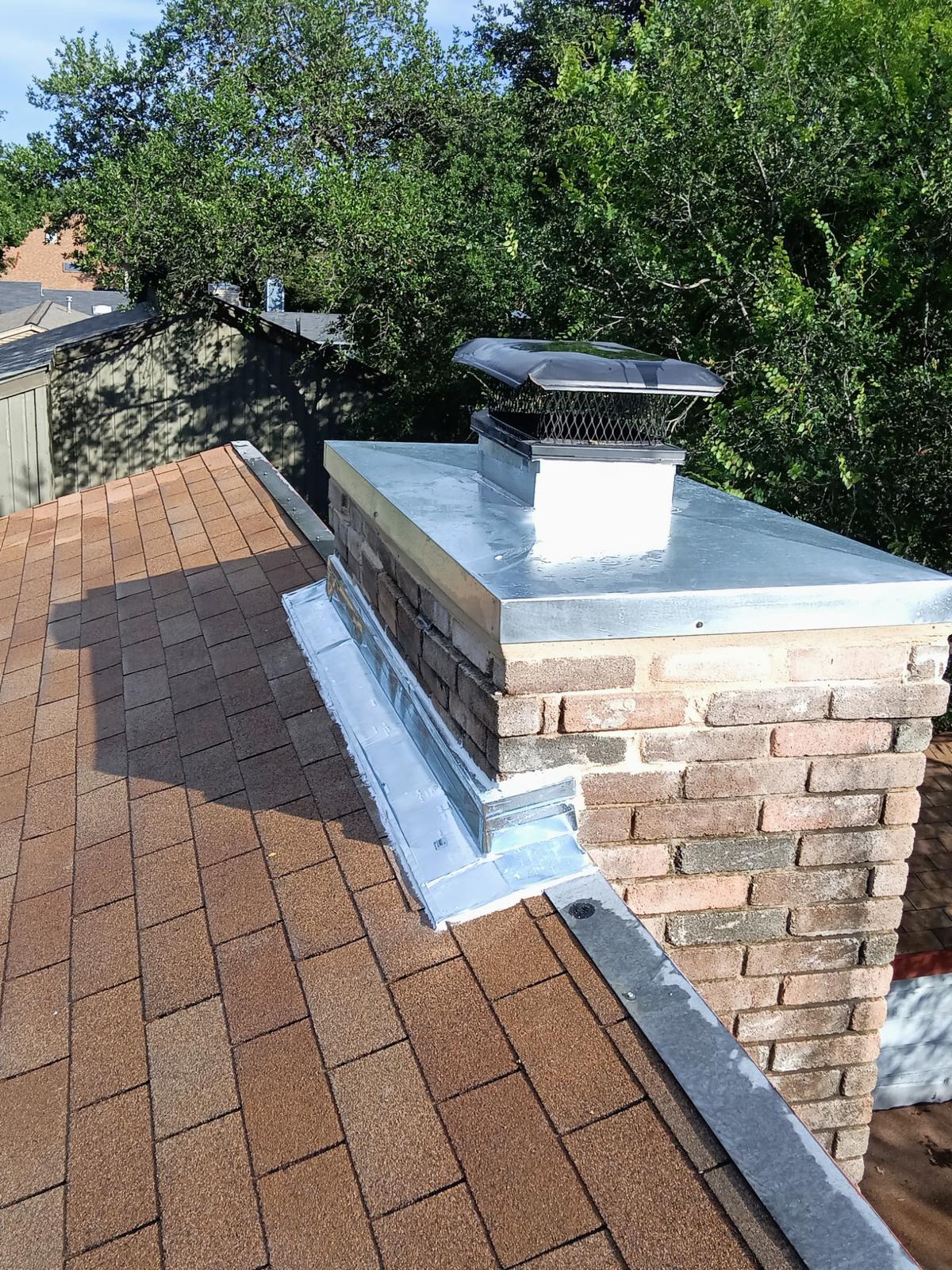 Completed
New galvanized chase cover with black cap installed in San Antonio, Texas.
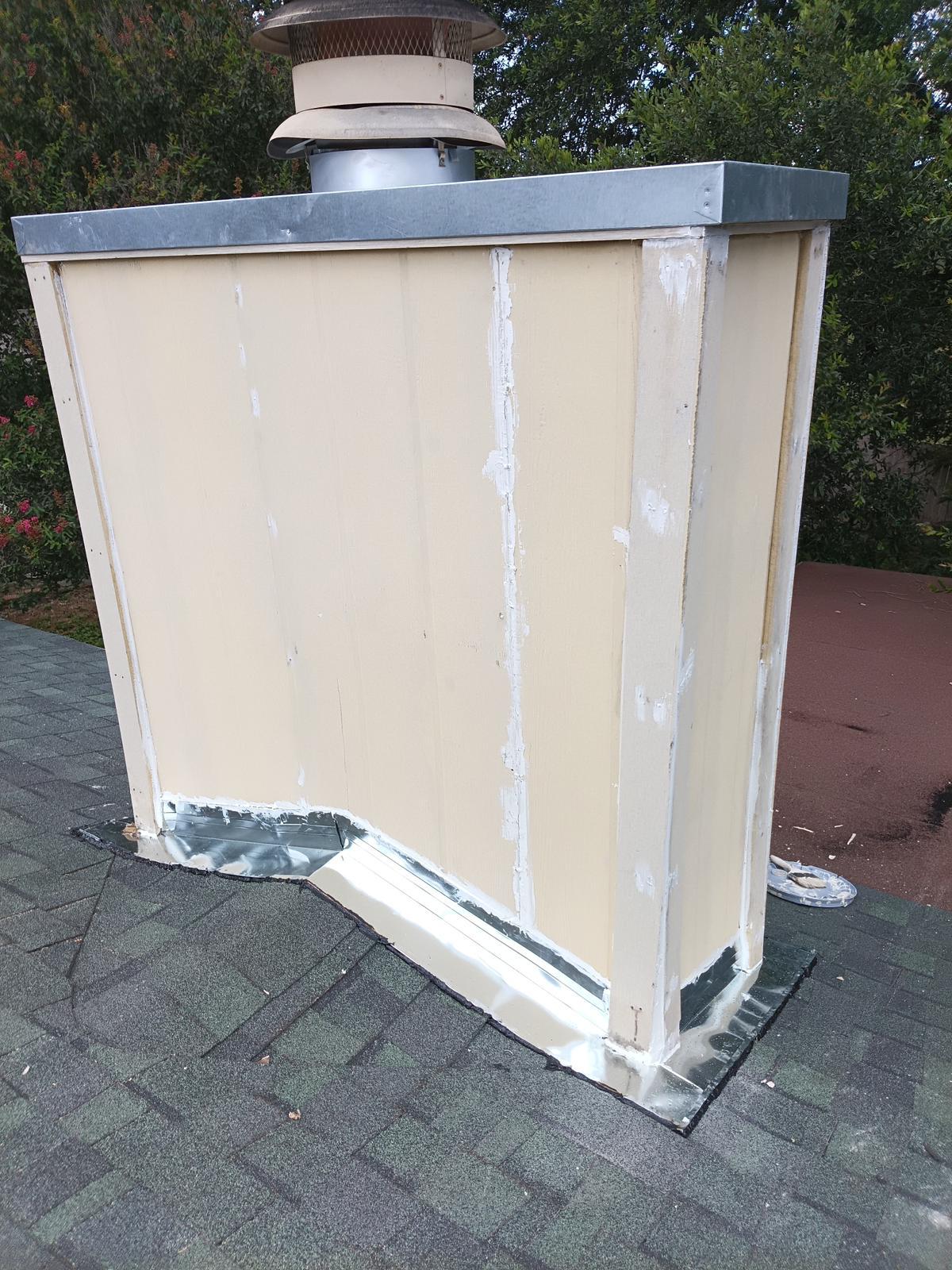
CompletedChase resurfaced and sealed with new galvanized cover and step flashing.
CompletedRepointing between the bricks, installation of new flashing and crown repointing on a San Antonio, Texas chimney.
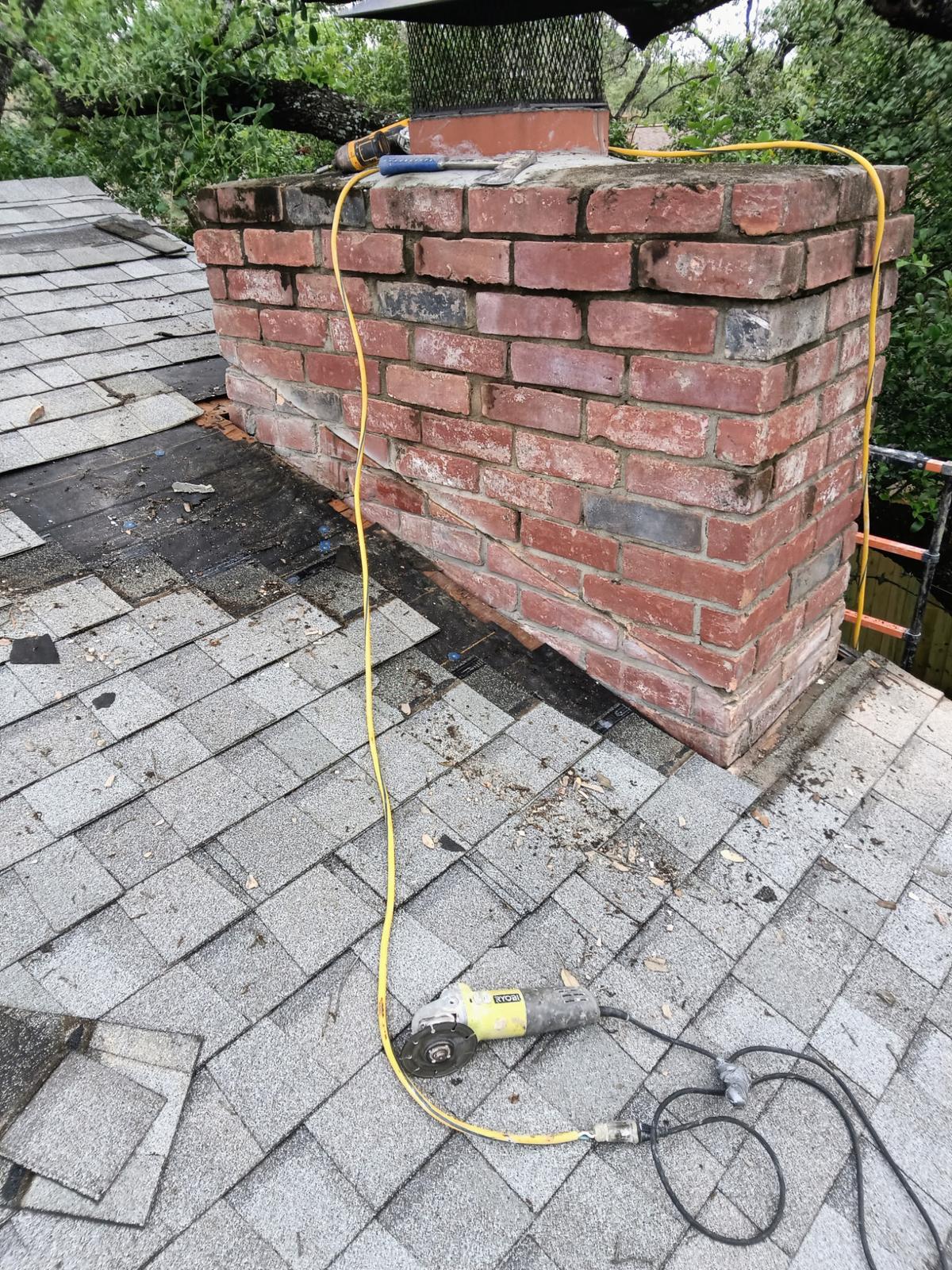 Completed
Deteriorated brick and mortar cut out and rebuilt with new flashing on a shingle roof.
CompletedFresh siding, new chase cover and sealed flashing on a Texas roof.
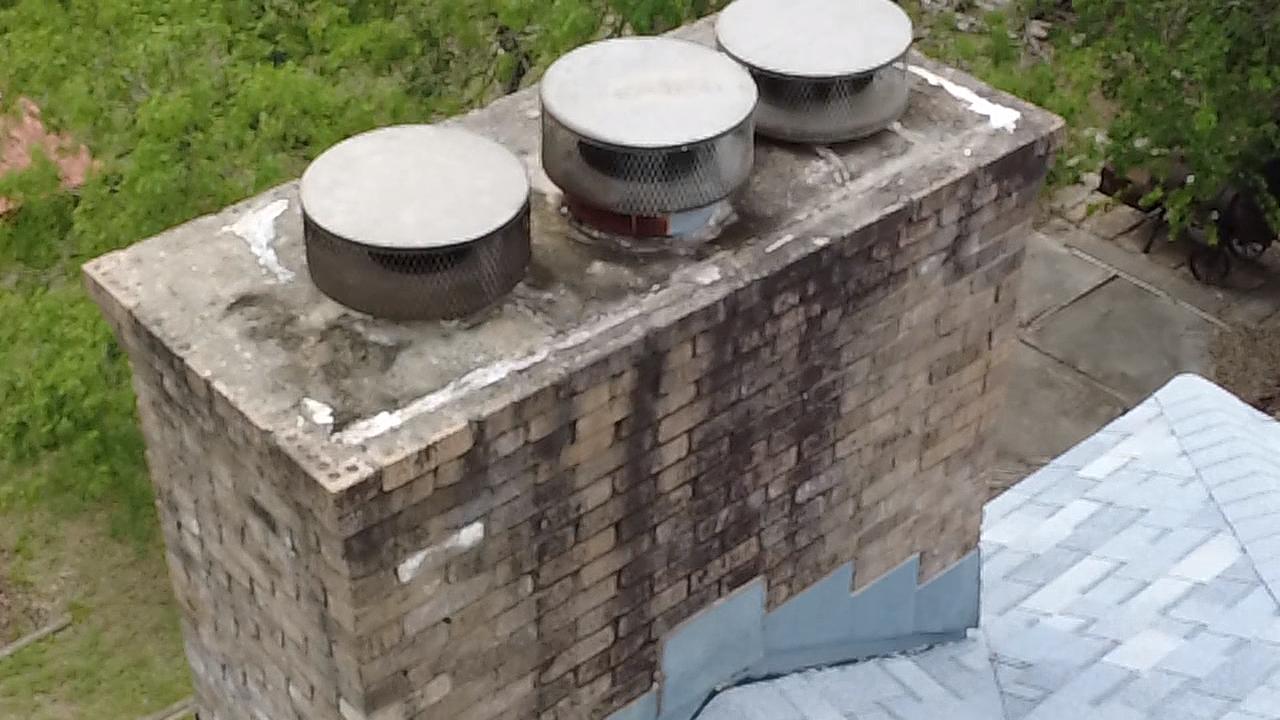 Completed
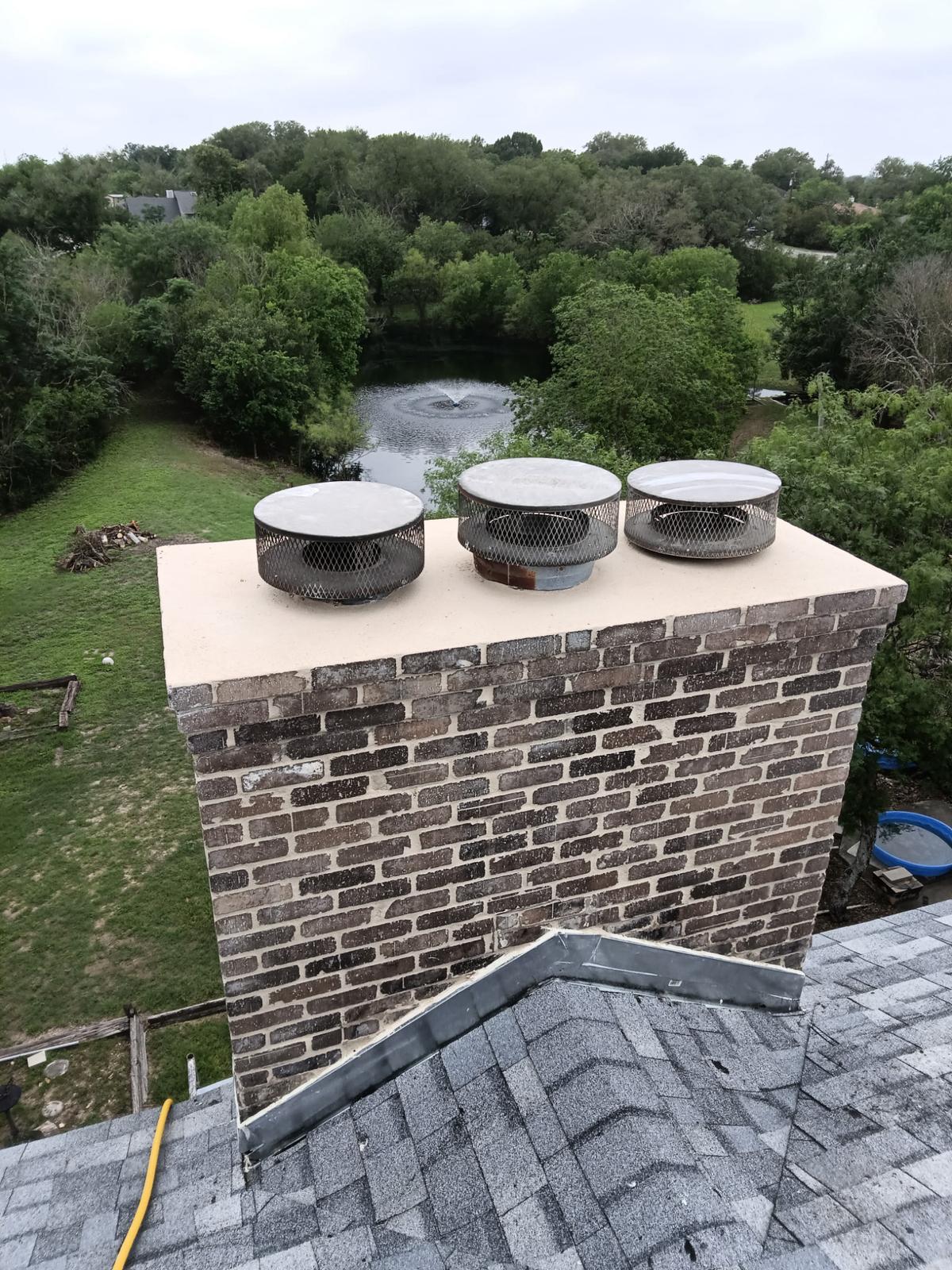
Three round flue caps and crown repair on a large masonry chimney.
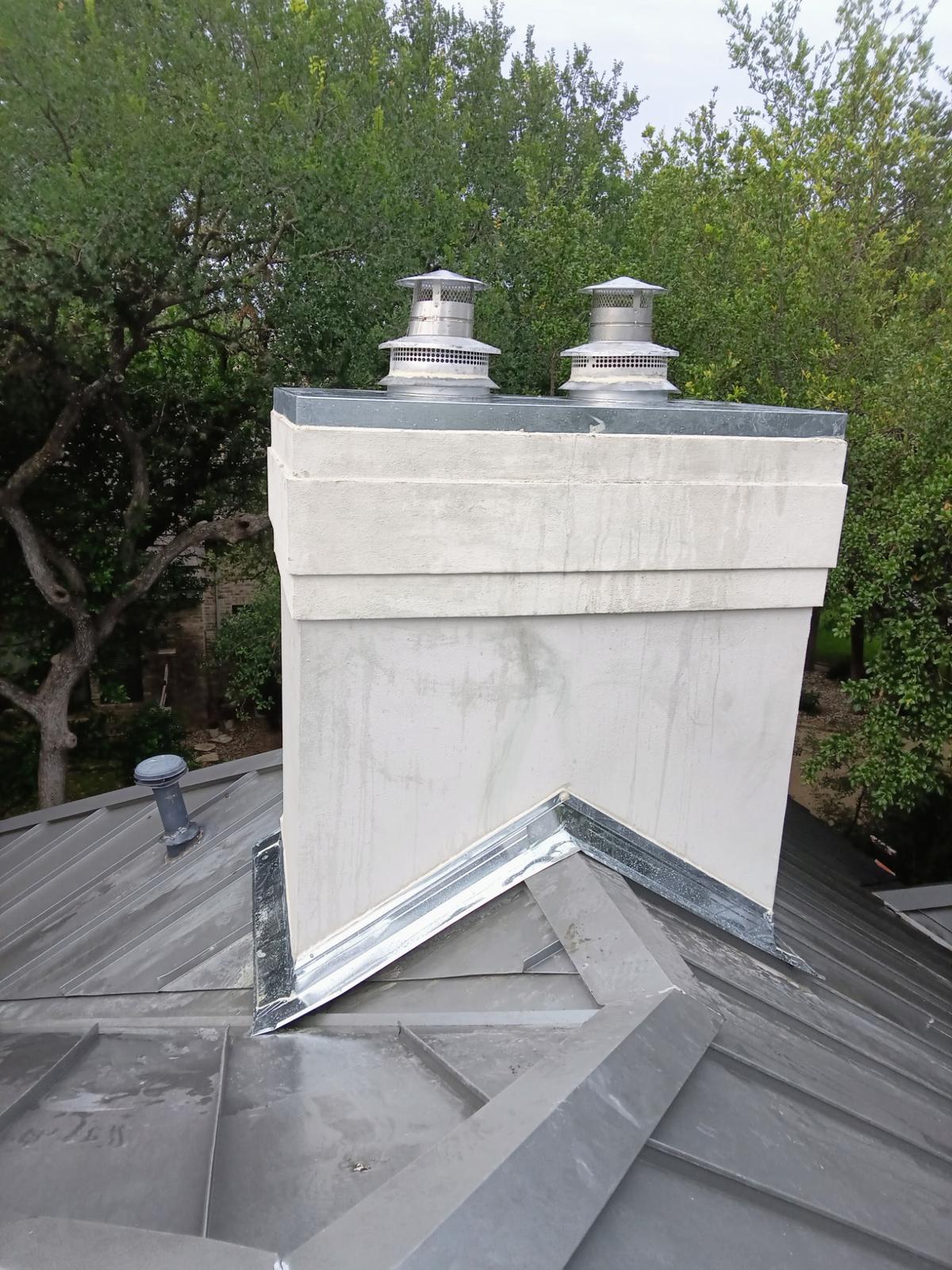 Completed
Twin stainless caps and new counter-flashing on a metal roof home.
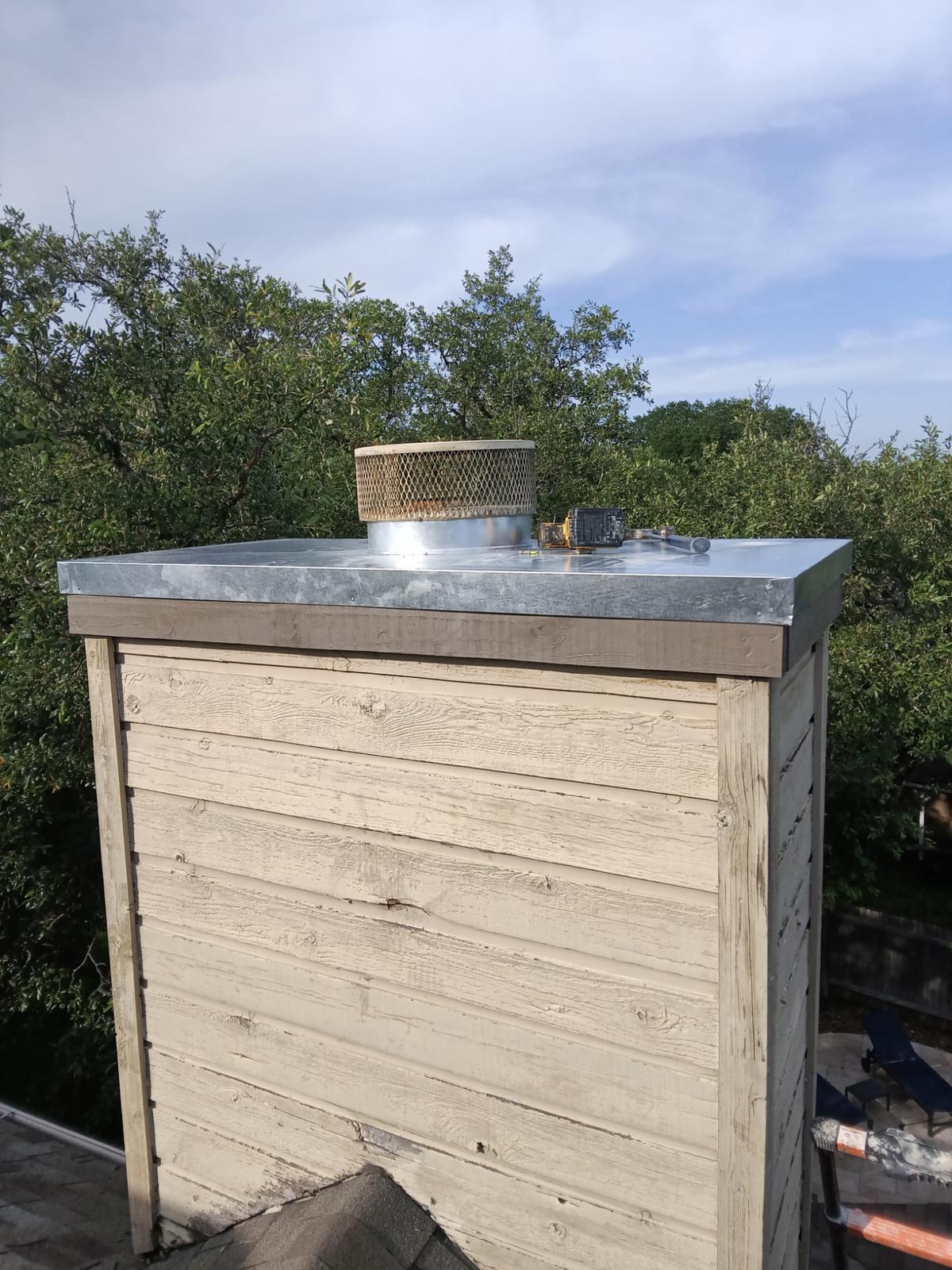 Completed
Black square cap installed on a classic red brick chimney.
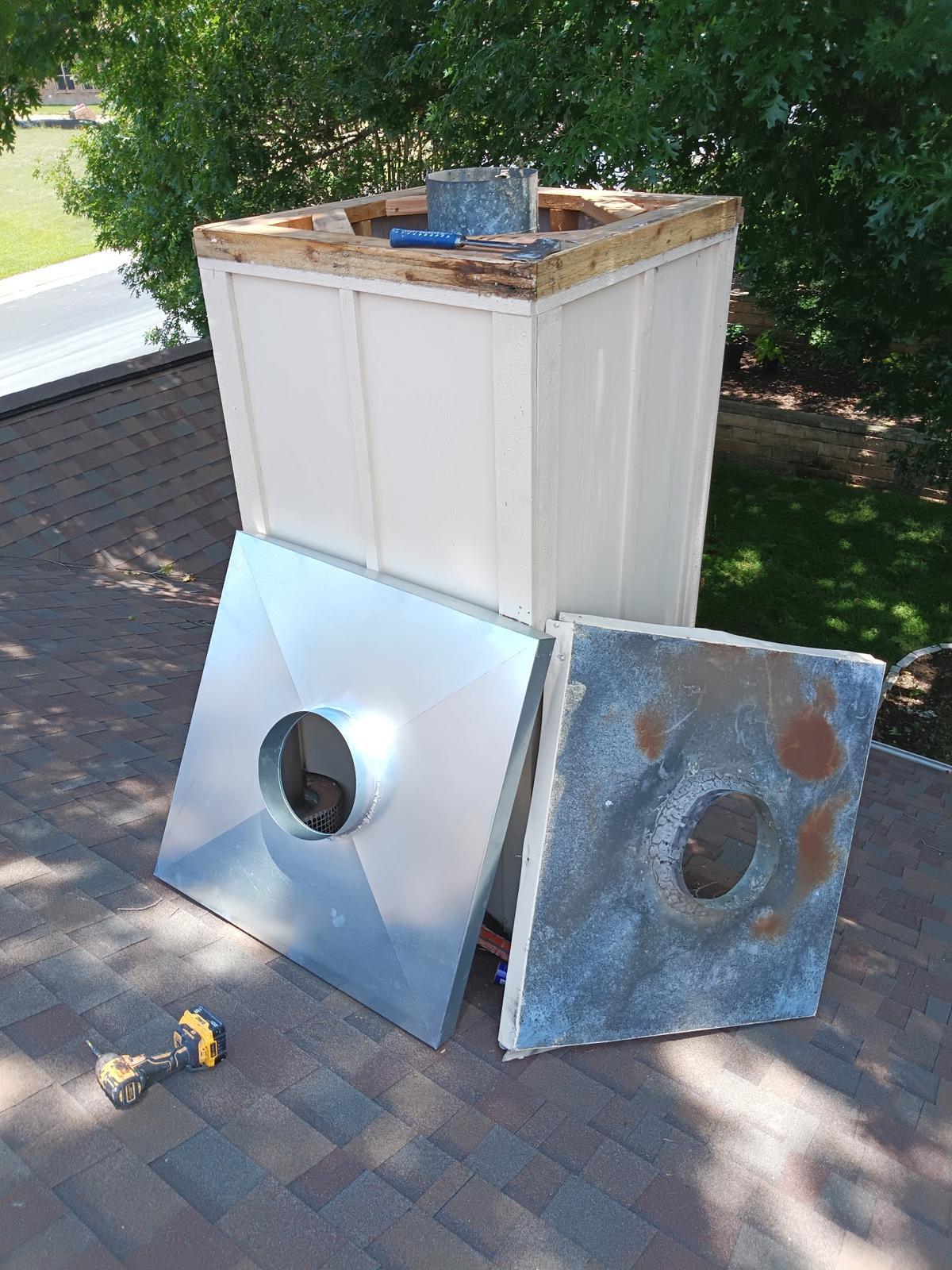 Completed
Old rusted cover removed and replaced with a custom-built cover.
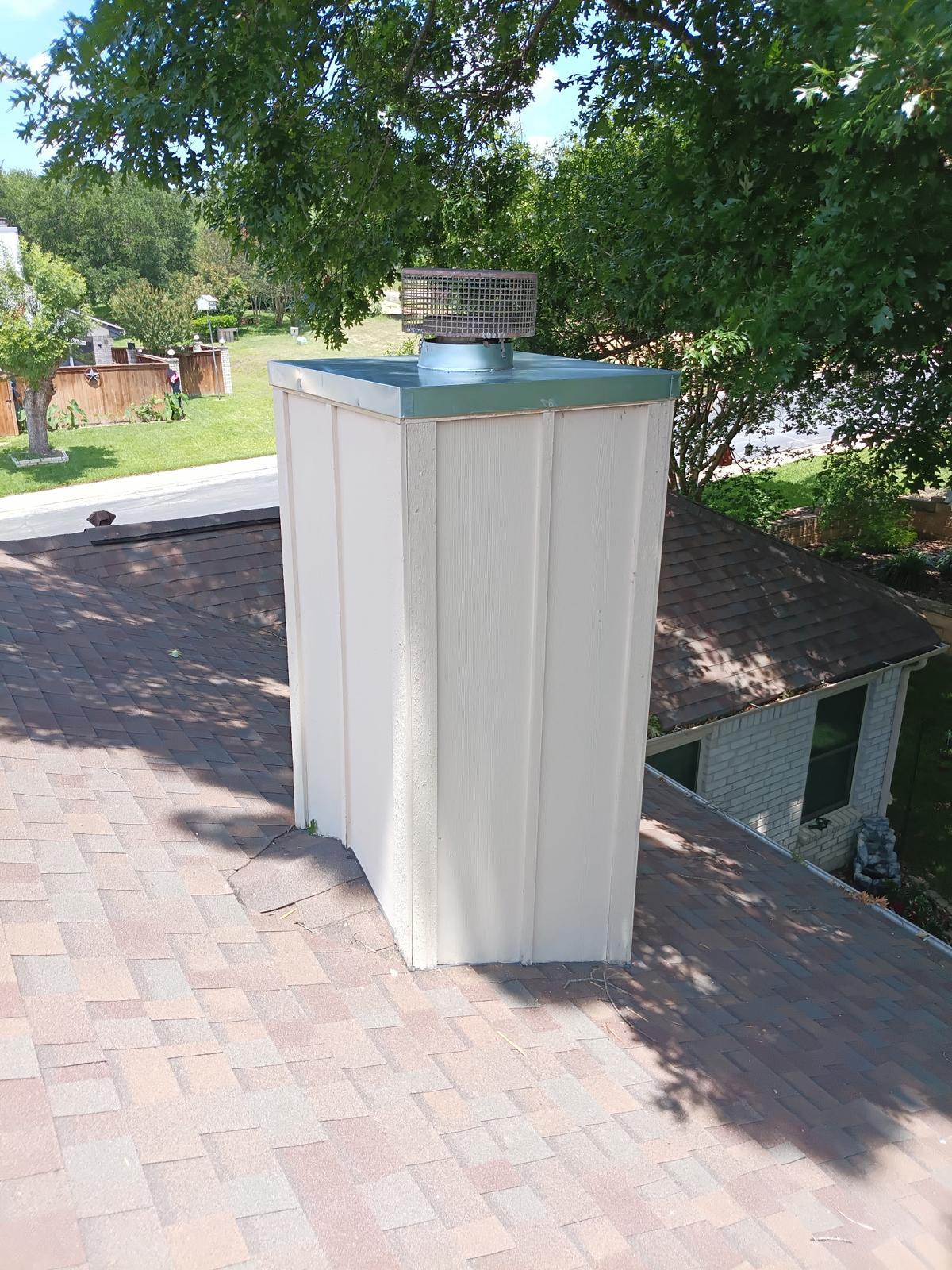 Completed
Custom galvanized cover with mesh cap on a wood chase.
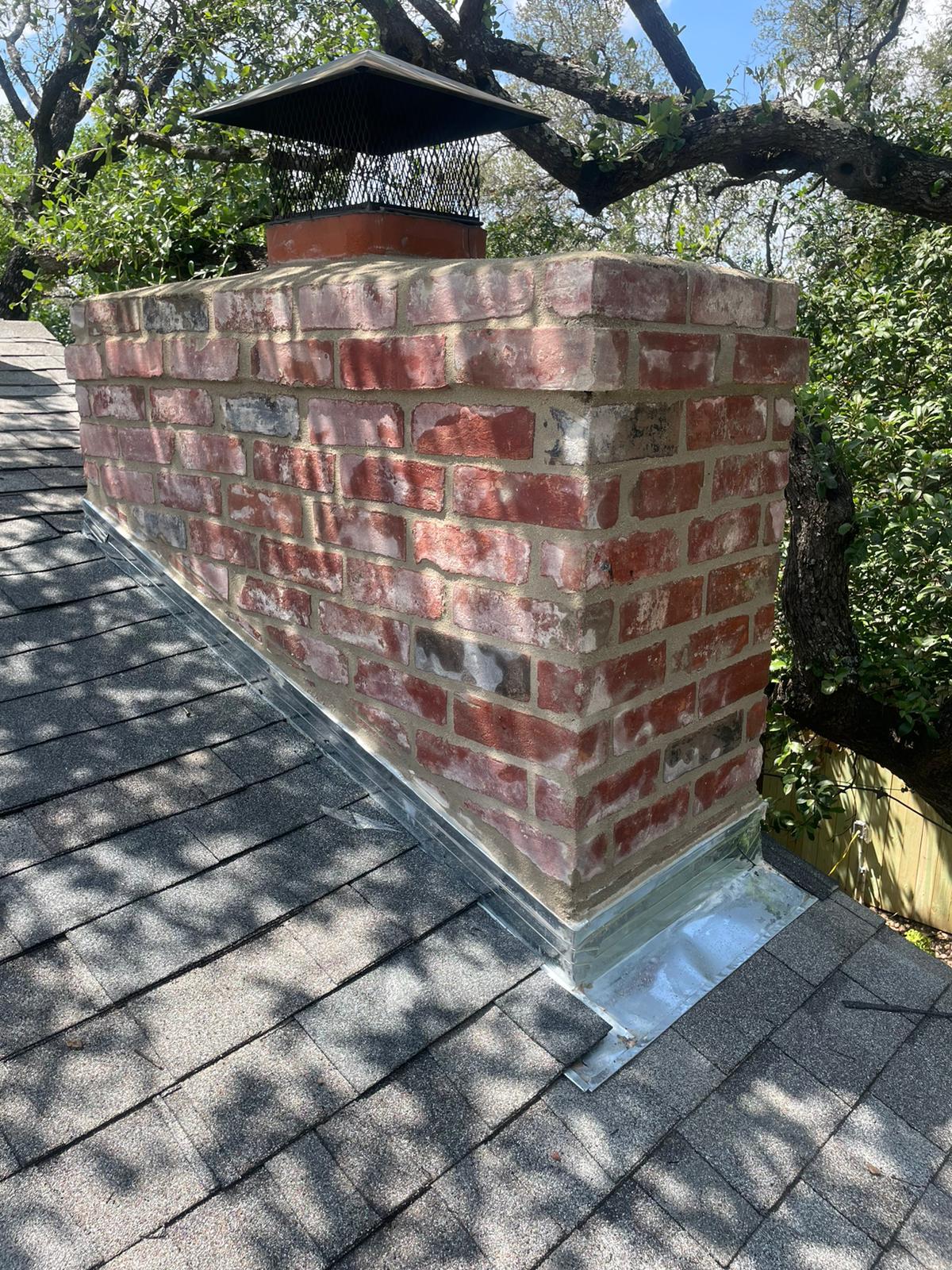 Completed
Chase repaired and topped with a properly sloped cover.
Call or send a request and we set a time that works for you.
We inspect the chimney top to bottom and locate where water is entering.
You get a plain explanation of the source and the repair options.
The approved repair is completed and the work area left clean.
A locally owned chimney company focused on finding the real problem and explaining it clearly.
Sealing the wrong component wastes money. We find the actual entry point first.
You know who is coming, what we found and what happens next.
Findings described in plain language, including what is not urgent.
Water repellents and flashing details chosen for masonry, not shortcuts.
Roof, landscaping and interior treated carefully and cleaned up after.
Chimneys are what we do — not a sideline to another trade.
Caps, crowns, flashing, chase covers and mortar all work together. When one fails, the repair sometimes touches another.
Masonry, crowns, rebuilds and structural repairs when a leak has already caused damage.
Learn moreMoisture and creosote together are hard on a flue. Cleaning is often paired with leak repair.
Learn moreInspections, caps, chase covers, liners and fireplace service across the San Antonio area.
Learn moreChimney Operations repairs and waterproofs chimneys throughout San Antonio and the communities around it — Boerne, Helotes, Shavano Park, Alamo Heights, Stone Oak, Bulverde, New Braunfels, Schertz and nearby areas within roughly a 60-mile radius.
Local homes see the same pattern year after year: months of dry heat that open joints and crown cracks, followed by storms that push water straight into them. Not sure if your neighborhood is covered? Call 210-401-3967 and we will let you know.
See all service areas
It depends on where the water is entering. A crown seal or cap install is a smaller job than flashing replacement or masonry repair. We evaluate first and explain the options before any work begins — call 210-401-3967 to discuss your situation.
The most common sources are a missing or damaged chimney cap, a cracked crown, failed flashing at the roof line, a rusted or poorly sloped chase cover, and porous or deteriorated masonry. Several of these can be contributing at once.
Wind-driven rain reaches areas that light rain does not, especially flashing joints and open flues. A leak that appears only in storms often points to flashing or cap issues rather than the masonry itself.
It can. Water that passes the flashing may reach roof decking, framing, insulation and drywall, which is why stains sometimes show up on a ceiling several feet away from the chimney.
Applied to sound masonry, a vapor-permeable water repellent helps brick shed water while still allowing trapped moisture to escape. It is not a substitute for repairing a cracked crown, failed flashing or open joints — those are fixed first.
Most leaks are solved with targeted repairs. A rebuild is only considered when brick and mortar have deteriorated through much of the stack. We will tell you which situation you are in rather than defaulting to the largest job.
Many repairs — caps, crown sealing, chase covers — are completed in a single visit. Flashing and masonry work can take longer depending on access, the extent of the damage and weather.
Addressing it before cold weather can help, because moisture already inside masonry may freeze and expand, which widens cracks and loosens brick faces.
Yes. We work throughout San Antonio and surrounding communities including Boerne, Helotes, Shavano Park, Alamo Heights, Stone Oak, Bulverde, New Braunfels and Schertz — roughly a 60-mile radius.
Call 210-401-3967, email Chimneyoperation@gmail.com, or send the service request form on this page and we will follow up to confirm a time.
Fill in your details and we will get straight back to you to confirm a time for your chimney leak repair in San Antonio, Texas.
Tell us what you are seeing — the stain, the smell, the damp firebox — and we will find where the water is coming from before it costs you masonry.