
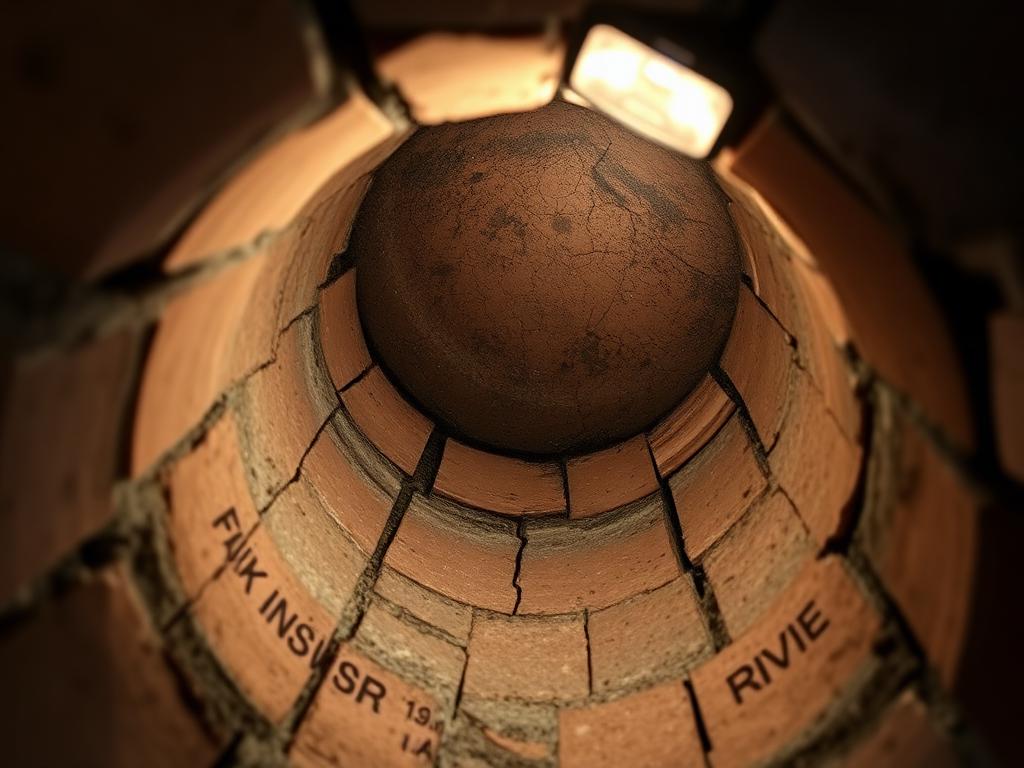
Top of the chimney
Everything above the roofline takes the weather, and almost every chimney leak starts here.
- Cap — the hood over the flue opening; keeps out rain, animals and embers
- Crown — the sloped concrete or mortar slab across the top of a masonry chimney
- Chase cover — the metal lid on a framed chimney chase, with the flue passing through
- Chase — the framed, sided box that encloses a factory-built fireplace flue
- Spark arrestor — the mesh screen in the cap that stops embers
Where the chimney meets the roof
Flashing is the layered metal joint that keeps water from running between the chimney and the roof. It is not a sealant job — it is sheet metal woven into the shingles and cut into the masonry.
- Step flashing — L-shaped pieces layered with each shingle course
- Counter-flashing — metal set into a cut in the masonry, lapping over the step flashing
- Cricket (saddle) — the small peaked structure behind a wide chimney that diverts water
Inside the chimney
The interior parts control draft and contain heat. Damage here affects safety rather than just water.
- Flue — the passage that carries smoke and gases out
- Liner — the clay tile, metal or cast-in-place surface protecting the masonry from heat and acids
- Smoke chamber — the tapered area above the firebox guiding smoke into the flue
- Smoke shelf — the ledge behind the damper that catches debris and downdraft
- Damper — the valve that opens for a fire and closes to stop air loss
The fireplace itself
The firebox is the chamber where the fire burns, built from firebrick and refractory mortar. Cracked panels and washed-out joints let heat reach the surrounding structure and are a common repair on older San Antonio homes.
- Firebox — the fire chamber, lined in firebrick
- Refractory panels — the heat-rated panels in a factory-built firebox
- Hearth — the non-combustible floor in front of and under the firebox
- Throat — the narrow opening between firebox and smoke chamber